How to Handle Numbness After Wisdom Teeth Removal
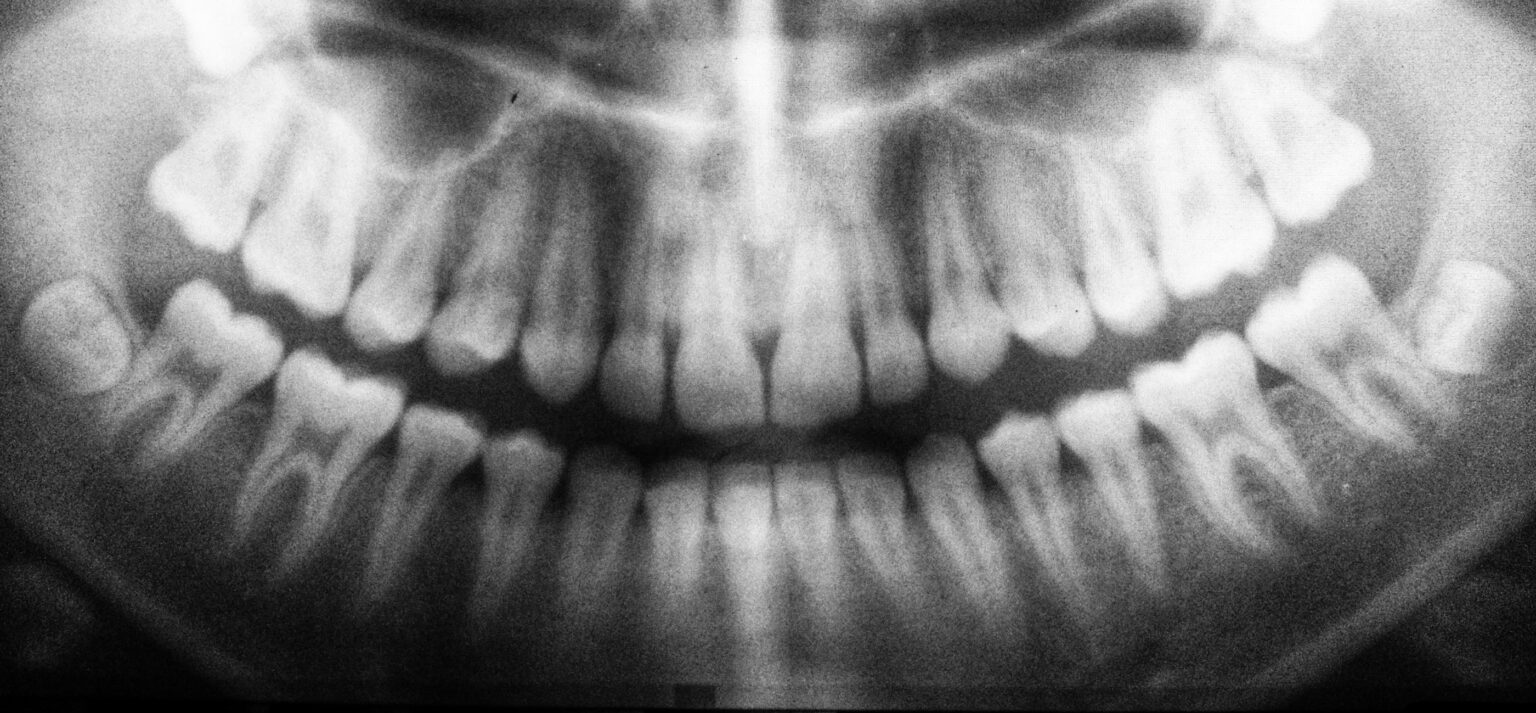
Numbness after wisdom teeth removal can be unsettling, especially when the rest of the recovery follows the usual script. Swelling, soreness, a limited diet, those are expected. A lip that still feels thick hours later, a tongue that seems oddly disconnected, or a chin that stays numb into the next day can make people wonder whether something went wrong.
Most of the time, numbness after dental anesthesia fades on its own. In a smaller number of cases, the nerves near the wisdom tooth area become irritated during the procedure, and the altered sensation lasts longer. The key is knowing the difference between normal short term numbness and the kind that deserves a call to the oral surgeon.
This is one of those recovery issues where timing matters, but panic does not help. A calm, practical approach is usually best.
Why numbness happens after wisdom teeth removal
Lower wisdom teeth sit close to important nerves. The two that matter most here are the inferior alveolar nerve, which supplies feeling to the lower lip and chin, and the lingual nerve, which affects sensation in the tongue and sometimes taste. During wisdom teeth removal, those nerves are not usually damaged, but they can be compressed, stretched, bruised, or irritated. Local anesthetic itself can also leave you numb for several hours, which is entirely routine.
Upper wisdom teeth are less likely to cause this kind of lingering numbness because of where their nerves lie, though a cheek or upper gum may still feel strange for a while after injections.
In practice, patients often describe numbness in very specific ways. They say their lip feels “fat” even after the swelling has gone down. They notice they keep biting one side of the tongue without realizing it. Some say the area is not fully numb, but “pins and needles,” “tingly,” “itchy,” or “tight.” Those details matter. Complete absence of feeling and altered sensation are not quite the same thing, and that distinction can help your surgeon judge what is happening.
What is normal in the first several hours
After wisdom teeth removal, it is normal to stay numb from the anesthetic for a few hours. Depending on the drug used, the dose, whether sedation was combined with local anesthetic, and your own metabolism, numbness may last anywhere from two to eight hours, and occasionally a bit longer. A long acting anesthetic can stretch that window.
That early numbness is usually broad and predictable. The cheek, gums, lower lip, side of the tongue, or chin may all feel dull. As it wears off, sensation tends to return gradually. You may first notice tingling, then partial feeling, then normal sensation.
A rough rule that helps many patients is simple: if the numbness is steadily improving the same day, it is usually just the anesthetic wearing off. If it is unchanged well beyond the expected timeframe, especially the next morning, it is worth contacting the office.
When lingering numbness is more than anesthesia
Nerves do not need to be cut to react badly. In dental surgery, a nerve can be bruised or inflamed. Think of it less like a severed wire and more like a cable that got pressed or irritated. When that happens, the signal still travels, just poorly.
This is why some people feel numbness mixed with burning, tingling, or occasional little electric sensations as recovery progresses. That can be unnerving, but it is not always a bad sign. In many cases, those strange sensations show that the nerve is active and healing.
The lower wisdom teeth are most often involved because their roots can develop very close to the inferior alveolar nerve canal. Oral surgeons usually evaluate this ahead of time on X rays and, when needed, on a cone beam CT scan. Some teeth are straightforward. Others are deeply impacted, curved, or wrapped around nearby anatomy. Experienced surgeons plan around that, but anatomy still sets the terms.
I have seen patients who expected a simple recovery because the extraction itself was quick, yet they had days of lower lip numbness because the tooth had been pressing against the nerve for years. I have also seen the opposite, a difficult extraction with a lot of bone work, followed by perfectly normal sensation. Surgical complexity matters, but anatomy matters more.
The first thing to do if you notice numbness
If you are still numb longer than expected, do not test the area aggressively. That sounds obvious, yet people often poke the lip with a fingernail, chew on it to “see if it works,” or press hard along the jaw. That can create injuries, especially when protective sensation is reduced.
Instead, take a quieter inventory. Notice exactly where the numbness is. Is it only the lip, or also the chin? Is one side of the tongue affected? Is the gum numb but the skin normal? Has the feeling changed at all since you first noticed it?
That information is more useful than repeated home testing.
Use a mirror if needed. Look for accidental biting injuries on the inside of the lip or tongue. These are common after wisdom teeth removal because numb tissues do not give good feedback. A surprisingly large sore can appear overnight simply from one Wisdom Teeth Removal episode of chewing while the mouth was still numb.
How to protect the area while sensation is reduced
When feeling is diminished, prevention matters more than treatment. You want to avoid burns, bites, and irritation while the tissues recover.
- Eat soft foods that are warm or cool, not very hot.
- Chew slowly and favor the unaffected side if only one side is numb.
- Avoid testing the area with sharp objects, fingernails, or repeated pressure.
- Check your lip and tongue periodically for accidental biting.
- Contact your surgeon if numbness lasts beyond the expected anesthetic window or worsens.
These steps sound basic, but they prevent a lot of avoidable misery. Hot coffee is a classic culprit. A patient may feel normal enough to drink it, only to scald a numb lower lip without realizing it until later. The same goes for crunchy foods. Chips, toast, and pizza crust can shred a numb cheek quickly.
What recovery from nerve irritation can feel like
If a nerve has been irritated, recovery is often uneven. People expect a straight line, but nerves are rarely that cooperative. One day the lip may feel less numb but more tingly. Another day the tongue may feel almost normal until dinner, when it starts to burn slightly. This fluctuation is frustrating, but not unusual.
Three broad patterns tend to show up.
The first is steady improvement over days to weeks. That is the best case and also the most common among people who have temporary nerve irritation.
The second is partial return of sensation with odd altered feeling. Patients sometimes dislike this stage more than numbness because it feels unnatural. They may describe crawling, buzzing, or sensitivity to cold air. It can still represent healing.
The third is little or no change after the early postoperative period. That does not automatically mean permanent injury, but it does raise the importance of close follow up and formal evaluation.
Taste deserves a brief mention. If the lingual nerve is involved, some people notice a strange metallic taste or reduced taste on one side of the tongue. Many do not. Taste changes are worth reporting, but they are not always present even when the tongue feels numb.
When to call the oral surgeon
Most surgeons would rather hear from you early than learn two weeks later that you have been worried and waiting. A good office can often tell, based on timing and distribution, whether they want to monitor, examine you promptly, or simply reassure you.
Call if numbness remains obvious the day after surgery, if it is not improving, or if you have clear numbness of the lower lip, chin, or tongue that was not expected. Also call if the area becomes painful in a burning or electric way, if you keep injuring it, or if speaking and eating are significantly affected.
Some situations deserve faster attention. If you have trouble swallowing beyond normal postoperative soreness, progressive swelling that makes breathing difficult, or heavy bleeding, those are not just numbness issues, and they need urgent evaluation.
Here is a practical guide for timing:
| Time after surgery | What may be normal | What deserves a call | |---|---|---| | First 2 to 8 hours | Broad numbness from local anesthetic | Severe unexpected symptoms or concern about self injury | | Later the same day | Gradual return of feeling, tingling as anesthesia fades | No change at all when the anesthetic should have worn off | | Next day | Mild residual odd sensation in some cases | Persistent numb lip, chin, or tongue, especially if complete | | Several days to weeks | Gradual improvement, sometimes with tingling or altered sensation | Worsening symptoms, no improvement, repeated biting, burning pain |
A follow up exam may include a simple sensory check. The surgeon might compare sides, test light touch, and map which tissues are affected. This is not dramatic, but it is helpful. Good documentation early on gives a clearer picture of whether things are improving later.
What dentists and oral surgeons may recommend
Treatment depends on what the surgeon Wisdom Teeth Removal thinks is causing the numbness and how severe it appears. Many cases are managed conservatively because the nerve is expected to recover with time. You may be asked to monitor changes, protect the area, and return for repeat exams.
Sometimes the clinician may prescribe medication aimed at inflammation or nerve related discomfort. That is highly case dependent. It is not appropriate to start random supplements or leftover medications on your own just because the internet says they help nerves. Some surgeons discuss B vitamins or other supportive measures, but evidence and practice vary, and this should be individualized.
If the numbness appears significant or persistent, referral to a specialist with experience in nerve injuries may come into the conversation. Timing matters here. Certain nerve injuries are watched for spontaneous recovery, while others may need earlier intervention. That decision depends on exam findings, imaging, the exact nerve involved, and whether there is any sign of improvement.
This is one reason not to disappear for a month and hope for the best. Most postoperative numbness resolves, but the cases that do need action benefit from proper timing.
What not to do while you wait
A few common mistakes make recovery harder.
Do not keep pressing or poking the numb area. People understandably want proof that sensation is coming back, but repeated testing can irritate tissues and tell you very little.
Do not use very hot compresses inside the mouth or apply home remedies directly to numb tissues. Burns happen faster than expected.
Do not assume complete numbness is always “just swelling.” Swelling can contribute to pressure, but true sensory loss in the lip, chin, or tongue deserves a professional opinion.
Do not judge the outcome too early. Nerve healing, when it occurs, is usually slow. Changes may show up over weeks and sometimes months rather than hours.
How long can numbness last?
This is the question everyone asks, and it has no single answer. Numbness from local anesthetic usually resolves the same day. Temporary nerve irritation can improve over days to weeks, and in some cases over several months. More significant injuries take longer and may not fully recover.
That uncertainty is difficult, but realistic expectations help. Nerves heal slowly compared with skin or gum tissue. The extraction site may look much better before sensation catches up.
The encouraging fact is that many postoperative nerve symptoms after wisdom teeth removal are temporary. The less comforting fact is that temporary can still mean longer than most patients expect. If you are two weeks out and only seeing subtle changes, that does not necessarily mean the situation is fixed or permanent. It means it should be followed thoughtfully.
The emotional side of this recovery issue
Numbness affects more than comfort. It changes how people eat, speak, and even smile. Patients often become hyperaware of their face. They keep checking it in the mirror. They worry the lip looks uneven when the issue is mostly sensory. They wonder whether they are being dramatic because the mouth looks fine from the outside.
That reaction is common. Sensory changes in the face feel personal in a way a sore ankle does not. If the surgeon tells you to monitor it, ask specific questions. What kind of improvement should you look for? When should you report back if nothing changes? What signs suggest healing rather than trouble? Concrete guidance lowers anxiety.
One patient once described it well: the hardest part was not the numbness itself, it was not knowing whether the numbness had a clock on it. That is exactly why follow up matters. Even when the answer is “we need more time,” it is better to hear that from the clinician who knows your anatomy and surgery.
Eating, speaking, and daily routines during recovery
Most people can function reasonably well even with partial numbness, but they need to slow down. Choose foods that require less force and less precise chewing. Yogurt, eggs, oatmeal, soups that have cooled, pasta, rice, fish, and smoothies are usually easier than sandwiches or crusty breads. If one side of the tongue is numb, speaking may feel clumsy for a few days, especially with sounds that rely on tongue tip control. That usually improves.
Be careful when brushing. Good hygiene still matters after wisdom teeth removal, but numb tissues are easy to scrape. Use a soft brush, gentle pressure, and more mirror work than usual. If rinses are recommended by your surgeon, use them as directed, not more aggressively than advised.
Sleep can also be awkward. Some patients keep waking because the lip sticks to the teeth on the numb side or because they are anxious about drooling. A little petroleum jelly or a lip balm on the outer lip can help with dryness, though not inside the mouth unless your clinician advises it.
Questions worth asking at your follow up
If the numbness lasts long enough to bring up at a follow up visit, be direct. Patients often downplay symptoms out of fear of sounding difficult. Clear details help your clinician more than general worry.
You might ask:
- Which nerve do you think is affected, if any?
- Does this seem more like lingering anesthetic, swelling related pressure, or nerve irritation?
- What timeline of improvement would you expect in my case?
- At what point would you consider additional testing or referral?
- How should I protect the area while sensation is reduced?
These questions keep the discussion practical. They also help you leave with a plan rather than vague reassurance.
A realistic way to think about numbness after wisdom teeth removal
The most useful mindset is neither dismissive nor alarmed. Numbness after wisdom teeth removal is common in the short term because anesthesia is doing exactly what it is supposed to do. Lingering numbness is less common, but still something oral surgeons see and manage regularly. The majority of these cases improve. Some take longer than patients expect. A smaller number need closer evaluation.
So watch the clock, note the pattern, protect the tissues, and keep the surgeon informed. If sensation is returning, even slowly, that is meaningful. If it is not, that is also meaningful, and it deserves professional follow up rather than guesswork.
Wisdom teeth removal is usually a routine recovery with a predictable end point. When numbness enters the picture, the recovery becomes less tidy, but not necessarily dangerous. Good observation, prompt communication, and patience do most of the heavy lifting.
Oxnard Dentistry
1730 E Gonzales Rd, Oxnard, CA 93036, United States
+1 805-307-8731
FAQ About Wisdom Teeth Removal
How painful is it to remove a wisdom tooth?
Local anesthetic numbs the area during extraction. Pressure may still be noticeable; tell the dentist if you feel pain. Soreness and swelling afterward are common. Follow the pain-control instructions provided for your situation.
How long is recovery for wisdom teeth extractions?
Recovery varies with the tooth position and complexity of the extraction. Some people resume routine activities quickly, while others need several days of rest. Soreness, swelling and jaw stiffness can last up to two weeks. Follow your clinician's aftercare and activity advice.
What are the risks of wisdom tooth removal?
Possible complications include dry socket, infection, persistent bleeding and changes in sensation from nearby nerve injury. Your dentist or oral surgeon should explain your individual risks before treatment. Seek prompt dental advice for bleeding that will not stop, fever, or severe or worsening pain and swelling.