How Wisdom Teeth Removal in Oxnard CA Helps Protect Nearby Teeth
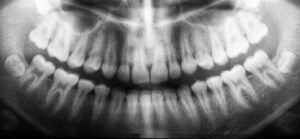
Wisdom teeth have a habit of causing trouble quietly. Many people assume that if a third molar is not hurting, it is not doing any damage. In practice, that is not always true. Some of the most preventable injuries I see around wisdom teeth happen next door, on the second molars that do the bulk of the chewing.
That is the heart of the issue. Wisdom teeth often fail to erupt cleanly. They lean forward, stay trapped under bone, break through only partway, or create a narrow pocket that is difficult to clean. When that happens, the nearby tooth can pay the price. Decay between the teeth, gum infection, bone loss, pressure damage, and even root resorption can develop slowly before a patient notices much at all.
For patients considering Wisdom Teeth Removal Oxnard CA, the conversation should not revolve only around pain relief. A well-timed extraction can be a protective step for the healthy teeth already doing their job. Saving a second molar from deep decay or periodontal damage is often far more important than removing a troublesome third molar for its own sake.
The nearby tooth is usually the one worth protecting most
A wisdom tooth is the last molar in the back of the mouth. The tooth in front of it, the second molar, is usually fully functional, well aligned, and essential for chewing. If that second molar stays healthy, it can last decades. If it is damaged by a poorly positioned wisdom tooth, treatment can become complicated and expensive very quickly.
Patients are often surprised to learn how commonly this happens. A partially erupted lower wisdom tooth can sit like a wedge against the second molar. Food, plaque, and bacteria collect in the tight space where a toothbrush and floss cannot reach well. The area becomes a perfect setting for decay and gum inflammation.
That pattern is not rare. In fact, when dentists recommend removal, they are often thinking less about the wisdom tooth itself and more about what it is threatening nearby. By the time a patient feels sharp pain, swelling, or a bad taste, the neighboring tooth may already have a cavity on a hard-to-repair surface or early bone loss around the root.
Why wisdom teeth are so hard to keep clean
The back corners of the mouth are difficult to access even when teeth erupt perfectly. Add in limited jaw space, gum tissue draped over part of the crown, and a tooth angled toward its neighbor, and daily cleaning becomes unreliable.
When patients tell me, “I brush back there all the time,” I usually believe them. The problem is not effort. It is anatomy. The toothbrush may not reach the gumline behind the second molar. Floss may shred or fail to pass. A water flosser may help, but it does not always solve a pocket created by a partially erupted third molar.
That hidden area becomes a trap for biofilm. Over time, the bacteria produce acids that demineralize enamel and toxins that irritate the gums. The process is gradual enough that many people continue to feel fine while damage builds in the background.
This is one reason regular X-rays matter. A cavity between the second molar and an impacted wisdom tooth often cannot be seen in a bathroom mirror. It may not even be visible in a routine glance with a dental mirror. Radiographs often tell the real story.
The most common ways wisdom teeth damage adjacent teeth
The problems tend to follow a few familiar patterns. They differ in severity, but all of them can threaten a healthy second molar.
- Decay between the wisdom tooth and the second molar, especially on the back surface of the second molar
- Gum infection around a partially erupted wisdom tooth, which can spread inflammation to the adjacent area
- Bone loss and periodontal pocketing behind the second molar
- Pressure-related damage, including root resorption in some cases
- Food impaction that repeatedly traumatizes the gum tissue and makes home care ineffective
Each of these deserves a closer look, because the early signs are easy to miss.
The cavity you cannot easily fill
When a wisdom tooth tilts forward, it often contacts the second molar low on the crown, sometimes even near the gumline. That is a bad place for a cavity to form. The enamel is thinner there, and access for repair is limited.
A small cavity on the side of a front tooth is usually straightforward. A cavity on the distal, or back, surface of a second molar can be a completely different problem. If the wisdom tooth blocks access, the dentist may have a hard time placing a durable filling. If the decay extends deeper under the gumline, the tooth may need more than a filling. Sometimes a crown is required. Sometimes, if decay reaches the nerve, root canal treatment enters the conversation.
The frustrating part is that the second molar may have been perfectly healthy before the wisdom tooth created the trap. Removing the third molar earlier can prevent that chain reaction.
I have seen patients in their late twenties and early thirties who assumed they could “wait and watch” because the wisdom tooth was not hurting. What eventually brought them in was sensitivity when drinking something cold, only to discover a cavity on the second molar that had been developing for years. At that point, removing the wisdom tooth was still necessary, but now the patient was also facing restorative treatment on the more important tooth.
Gum inflammation is not a small problem in the back of the mouth
Partially erupted wisdom teeth often cause pericoronitis, an infection and inflammation of the gum tissue around the crown. Patients describe swelling, tenderness, difficulty chewing, bad breath, or a foul taste. Sometimes it flares up for a few days, settles down, and returns months later.
Those recurring infections do not always stay isolated to the wisdom tooth. The inflamed pocket can affect the area behind the second molar as well. Chronic inflammation encourages deeper periodontal pockets, where bacteria thrive below the gumline. That can lead to attachment loss and bone loss around the neighboring tooth.
This matters because gum support is what keeps teeth stable over time. Even if the enamel remains intact, a second molar with compromised periodontal support becomes harder to maintain. Once bone is lost, it does not simply grow back to its original condition without significant intervention, and even then, results vary.
A patient may think, “The wisdom tooth only bothers me once or twice a year.” From a surgical perspective, that may sound minor. From a periodontal perspective, repeated inflammation in that area is a warning sign.
Root resorption, less common but serious
Root resorption does not happen in every case, but when it does, it can be destructive. This occurs when pressure from an impacted wisdom tooth contributes to breakdown of the root structure of the second molar. It is often silent. There may be no symptoms until the damage is advanced enough to show on imaging or affect the pulp.
Once root structure is lost, the body does not restore it predictably. In mild cases, the tooth may be monitored. In more severe cases, the long-term outlook for the second molar becomes uncertain. That is a heavy price to pay for keeping a problematic wisdom tooth that was never likely to become a useful chewing tooth.
This is one of the reasons panoramic X-rays and, in selected cases, three-dimensional imaging can be valuable. They help the surgeon evaluate not just the wisdom tooth, but its relationship to the roots, bone, and nearby anatomy.
Lower wisdom teeth usually create more trouble, but uppers are not always innocent
Lower third molars get most of the attention, and for good reason. They are more likely to become impacted, more likely to press against second molars, and more likely to trap bacteria under a flap of gum tissue. The lower jaw is dense, access is tighter, and the eruption path is often less forgiving.
Upper wisdom teeth can still cause problems. A partially erupted upper third molar may be difficult to clean and may contribute to decay or gum issues with the upper second molar. Some upper wisdom teeth drift outward toward the cheek, causing chronic irritation or making hygiene awkward. Others over-erupt if there is no opposing tooth, which can create bite issues and food trapping.
That said, when the question is specifically about protecting nearby teeth, lower wisdom teeth are often the main concern.
Age changes the equation
There is no single “perfect age” for removal, but timing matters. In many patients, the late teens to early twenties are the years when extraction is technically simpler and healing is generally smoother. Roots may be not fully formed, bone tends to be more flexible, and the body often recovers faster.
That does not mean adults in their thirties, forties, or beyond should avoid treatment. Many do very well. It simply means the risk-benefit conversation becomes more individualized. An asymptomatic wisdom tooth in a 40-year-old with excellent hygiene and no signs of pathology may be handled differently than a partially erupted tooth pressing on a second molar in a 22-year-old.
The key point is that delaying removal does not make a risky tooth safer by default. Sometimes delay gives more time for preventable damage to occur. When a second molar begins to show decay, pocketing, or bone changes, the window for simple prevention may already be closing.
What dentists look for before recommending extraction
A recommendation for Wisdom Teeth Removal Oxnard CA should be based on findings, not habit. Good clinicians do not remove teeth casually. They look at symptoms, oral hygiene access, gum condition, available space, angle of eruption, and imaging.
When the wisdom tooth is upright, fully erupted, cleansable, and not harming surrounding tissue, observation may be reasonable. That is a real option in selected cases. On the other hand, when the tooth is partially erupted, angled into the second molar, repeatedly infected, or associated with early decay on the adjacent tooth, removal often becomes the more conservative choice in the long run.
That sounds backward at first. How can surgery be conservative? Because preserving the health of a strong second molar is usually more valuable than preserving a third molar with limited function and high maintenance risk.
Crowding is not the strongest reason, nearby damage is
Many patients have heard that wisdom teeth need to come out because they will “cause crowding.” The research on lower front teeth crowding is more nuanced than older advice sometimes suggested. Wisdom teeth are not the sole reason adult teeth shift over time.
That matters because it helps patients focus on the reasons that are better supported clinically. The strongest case for removal often has nothing to do with the front teeth. It has to do with decay risk, periodontal health, cyst formation in certain impacted teeth, recurrent infection, and protection of adjacent molars.
When a patient understands that distinction, the decision often becomes easier. It is less about a vague future concern and more about a visible, local problem with clear consequences.
What removal can prevent, and what it cannot reverse
Extraction can stop ongoing damage and make hygiene far easier in the area. It can eliminate the plaque trap, remove the source of recurrent gum infection, and reduce the chance that the second molar will continue to deteriorate.
What it cannot do is reverse every bit of damage already present. If the second molar has a cavity, it will still need restorative care. If there is bone loss behind the tooth, that support may improve only partially, if at all. If root resorption is advanced, the prognosis may remain guarded even after the wisdom tooth is gone.
This is another reason timely intervention matters. Removing a risky third molar before the second molar is structurally compromised is a very different situation from removing it after years of silent damage.
The procedure itself, what patients in Oxnard usually want to know
Most patients are less worried about the logic of removal than about what the experience will feel like. That is understandable. The phrase “wisdom teeth surgery” carries a lot of emotional weight.
The procedure can range from a relatively simple extraction to a more involved surgical removal. It depends on whether the tooth is fully erupted, partially erupted, or impacted in bone. Local anesthesia is standard, and many patients also choose sedation depending on the complexity of the case and their comfort level.
In a practical sense, most people want answers to a few straightforward questions:
- How difficult is this particular tooth to remove?
- How close are the roots to important structures such as the sinus or the inferior alveolar nerve?
- What kind of anesthesia or sedation makes sense for me?
- How many days should I expect to take it easy afterward?
- Is my second molar already damaged, and if so, what treatment will it need next?
Those questions often matter more than broad online generalizations. Two wisdom tooth cases can look similar on the surface and be quite different surgically.
For patients seeking Wisdom Teeth Removal Oxnard CA, local evaluation matters because providers can assess individual anatomy, health history, and urgency. A surfer in his twenties with intermittent swelling before competitions, a college student home on break, and a parent juggling work and childcare may all need the same surgery for different practical reasons. Treatment planning should fit the person as much as the X-ray.
Recovery is usually manageable, but good instructions matter
Most patients recover without much drama when they follow postoperative directions closely. Swelling tends to peak around the second or third day and then settle. Soft foods, hydration, rest, and gentle mouth care make a real difference. Pain control varies by case, but many people do well with a combination of prescribed or recommended medications, depending on their surgeon’s guidance and their medical history.
The more relevant point for this discussion is that a brief recovery period often prevents much larger future treatment. A few sore days after extraction may spare a patient from a deep filling, crown, root canal, periodontal therapy, or even loss of the second molar later.
That is the trade-off many adults appreciate once the decision is framed correctly. The question stops being “Do I want my wisdom teeth out?” and becomes “Do I want to protect the stronger tooth in front of them while I still can?”
Cases where watchful waiting still makes sense
Not every wisdom tooth needs removal. That is worth stating plainly. Some third molars erupt fully, align well, contact an opposing tooth, and can be cleaned as reliably as any other molar. Others remain fully buried in bone without signs of cystic change, resorption, periodontal harm, or decay risk to adjacent teeth.
In those cases, observation with periodic exams and imaging can be appropriate. The decision should be revisited over time, especially if the tooth’s position changes, the patient’s hygiene access worsens, or new signs appear on X-rays.
The challenge is that patients often assume their tooth is in this low-risk category without confirming it. A lack of pain is not enough to support that assumption. A clinical exam and imaging are what separate a quiet, harmless wisdom tooth from a quiet, damaging one.
Why second molars deserve this level of attention
A healthy second molar is a https://www.brownbook.net/business/40954834/oxnard-dentistry valuable tooth. It handles significant chewing force, helps maintain bite stability, and is usually worth every reasonable effort to preserve. Once compromised, it is not always easy to restore perfectly, especially if damage sits below the gumline at the back surface.
Dentists can repair a lot, but there is a limit to what restorative treatment can achieve when access is poor and gum support has been lost. Patients sometimes focus on avoiding the inconvenience of extraction and underestimate the long-term inconvenience of rescuing a damaged second molar.
That is why careful clinicians keep returning to the same principle. Wisdom teeth are not judged in isolation. They are judged by how they behave, what they threaten, and whether keeping them creates more risk than value.
The practical takeaway for Oxnard patients
If you have wisdom teeth and have not had them evaluated recently, especially lower ones that are only partly through the gums or hard to clean, it is worth getting a current exam and imaging. The goal is not to rush into surgery. The goal is to see whether those teeth are endangering the molars you rely on every day.
For many patients, Wisdom Teeth Removal Oxnard CA is not just a procedure to deal with occasional swelling or pressure. It is a preventive step that protects the tooth in front of the wisdom tooth from decay, gum disease, bone loss, and structural damage that can be difficult to fix once established.
When done for the right reasons and at the right time, removal is less about taking something away and more about preserving what matters most. In this case, that often means keeping the nearby second molar strong, stable, and functional for years to come.
Oxnard Dentistry
1730 E Gonzales Rd
Oxnard, CA 93036, United States
Phone: +1 805-307-8731
FAQ About Wisdom Teeth Removal Oxnard CA
How much does it cost to get wisdom teeth removed in California?
Fees depend on tooth position, the number of extractions, imaging and anesthesia. Oxnard Dentistry can provide an individual estimate after examining your teeth. Ask for an itemized plan and confirm insurance benefits before scheduling.
Will insurance cover wisdom teeth removal?
Coverage and out-of-pocket costs vary by policy and the treatment required. Ask the dental office and your insurer to verify benefits, annual limits and any authorization requirements. A benefit estimate does not guarantee payment.
Is 30 too old to have wisdom teeth removed?
Age alone does not determine whether extraction is appropriate. A dentist evaluates symptoms, tooth position, oral health and medical history. Healthy, functional wisdom teeth may be monitored; teeth causing disease or other problems may need treatment.