What to Expect During Wisdom Teeth Removal
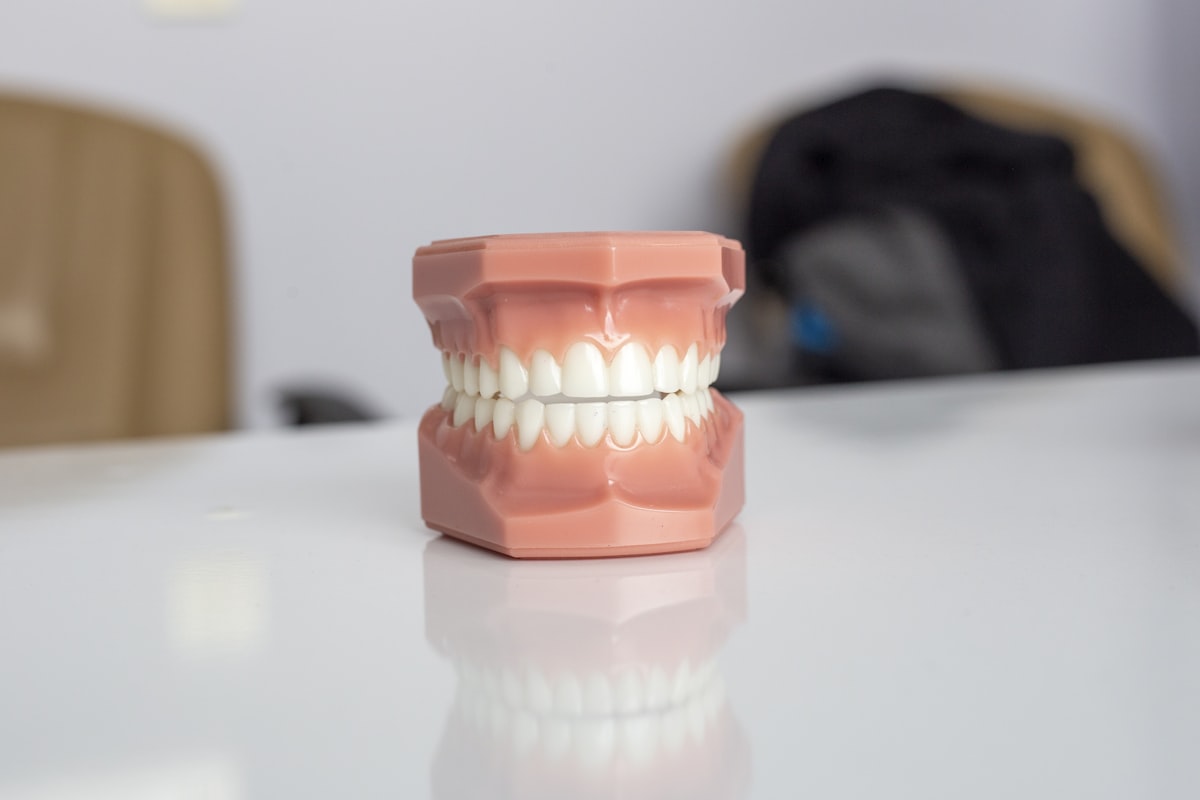
Few dental procedures carry quite as much baggage as wisdom teeth removal. Patients often arrive with stories from friends, half-remembered internet horror tales, and a very specific fear that they will somehow feel everything, say something embarrassing, or wake up looking like a chipmunk for a month. The reality is usually much more manageable than the legend around it.
Wisdom teeth removal is one of the most common oral surgery procedures, and for most people it follows a predictable course: evaluation, planning, a relatively short surgery, a few uncomfortable days, and then a steady return to normal. Where things vary is in the details, how many teeth are involved, whether they have erupted fully, how close the roots sit to nerves or sinuses, and what kind of anesthesia is used. Those details matter more than the dramatic stories.
If you know what the appointment actually looks like, what recovery tends to feel like, and where the real warning signs are, the whole experience becomes less mysterious and much less stressful.
Why wisdom teeth are removed in the first place
Wisdom teeth, also called third molars, usually appear in the late teens or early twenties. Some erupt without causing problems and can stay in place for years. Others create trouble long before they fully emerge. In practice, the decision to remove them usually comes down to space, position, and risk.
A common scenario is partial eruption. The tooth pushes through the gum enough to create a small flap of tissue, but not enough to function normally. Food and bacteria collect there, and the area gets inflamed or infected. Patients often describe a dull ache at the back of the jaw, a bad taste, or tenderness when chewing. Another frequent issue is impaction, where the tooth is trapped under the gum or bone, sometimes pressing against the second molar in front of it.
Not every wisdom tooth needs to come out. That point gets lost sometimes. If the teeth are healthy, fully erupted, easy to clean, properly aligned, and not damaging neighboring teeth, a dentist or oral surgeon may simply monitor them. Removal becomes more likely when they are causing pain, repeated gum infections, decay, cyst formation, crowding concerns, or damage to nearby teeth. In some patients, the recommendation is preventative because the teeth are likely to become harder to remove later, especially once roots fully mature and bone becomes denser with age.
The consultation sets the tone
The consultation is where the procedure starts to feel real, but it is also where a lot of anxiety can ease. A thorough evaluation usually includes a clinical exam and dental imaging, often a panoramic X-ray. In more complicated cases, especially when the lower wisdom teeth seem close to the inferior alveolar nerve, a three-dimensional scan may be recommended to clarify anatomy.
This visit is not just about identifying the teeth. It is about understanding your medical history, medications, allergies, prior anesthesia experiences, and risk factors such as smoking, clotting disorders, sleep apnea, or difficult extractions in the past. If you are pregnant, have a heart condition, take blood thinners, or have uncontrolled diabetes, those details change planning in meaningful ways.
A good surgeon will explain whether the teeth are erupted, partially impacted, or fully impacted in bone. They should also tell you whether the roots are close to a nerve, whether the upper teeth are near the sinus, and whether all four need removal at once. Some practices routinely remove all wisdom teeth in one appointment because it is efficient and recovery happens once. In other cases, staged removal makes more sense, particularly if only one or two teeth are problematic or if the medical picture is more complex.
Patients often ask whether braces or crowding alone are a reason for extraction. Opinions vary. Wisdom teeth can contribute to pressure in the back of the mouth, but they are not the sole cause of front teeth shifting. That decision is usually made in the broader context of oral health, anatomy, and orthodontic planning rather than as a blanket rule.
The question nearly everyone asks: how much will I be awake?
This is often the most important part of the conversation from the patient’s perspective. The answer depends on the complexity of the case, the surgeon’s setup, and your own comfort level.
Local anesthesia means the area is thoroughly numbed, but you remain awake. You will feel pressure, movement, and vibrations, but you should not feel sharp pain. For simple erupted teeth, local anesthesia may be all that is needed. Some patients prefer this because recovery from the anesthetic itself is easier, and there is less grogginess afterward.
Many wisdom teeth removals involve local anesthesia plus sedation. This can range from nitrous oxide to oral sedatives to intravenous sedation. With IV sedation, patients are often deeply relaxed and may remember little or nothing about the procedure, even though they are still breathing on their own Wisdom Teeth Removal and responding if needed. People tend to call this being “put to sleep,” though medically it is often different from general anesthesia.
General anesthesia is used in some settings, especially for complex impactions, hospital-based care, or patients with special needs. It is less common in routine office-based oral surgery than many people assume.
The right option is not just about fear tolerance. It also depends on medical safety, airway considerations, how long the surgery is expected to take, and whether the teeth require significant bone removal or sectioning.
Getting ready for the appointment
Preparation is usually straightforward, but it matters. If sedation or general anesthesia is planned, you will typically be told not to eat or drink for a certain number of hours beforehand. Follow that instruction exactly. Breaking fasting rules can lead to delays or cancellation because aspiration risk is taken seriously.
Wear comfortable clothing and short sleeves if IV sedation is planned. Arrange a responsible adult to drive you home and stay with you for at least the first several hours if the office requires it, which many do. This is not just a formality. Even patients who seem alert can be unsteady, forgetful, or poor at judging pain medication timing once they get home.
Before the day arrives, set up your recovery space. Have gauze, prescribed medications, soft foods, ice packs, and water ready. Patients who prepare ahead tend to do much better than the ones who stop at the pharmacy afterward while still numb and foggy.
A simple setup helps:
- Fill prescriptions before the procedure if your surgeon allows it.
- Stock easy foods such as yogurt, soup, eggs, smoothies, or mashed potatoes.
- Have ice packs or bags of frozen peas ready for the first day.
- Plan a quiet schedule for at least two or three days, longer if your job is physical.
- Avoid smoking or vaping before and after surgery, because it raises the risk of dry socket and delayed healing.
What the procedure itself feels like
On the day of surgery, the appointment may move more quickly than expected. Patients often imagine hours in the chair, but many extractions, even multiple wisdom teeth removal cases, are completed in under an hour once anesthesia is established. More difficult impactions take longer, but it is still usually a shorter event than the buildup leading to it.
If you are having sedation, monitors are placed, medications are given, and the team makes sure you are stable and comfortable. Then the mouth is numbed with local anesthetic. Even when sedation is used, local anesthesia is still essential because it controls pain during the procedure and provides numbness afterward.
For erupted teeth, removal may be as simple as loosening the tooth and delivering it with instruments. Impacted teeth are different. The surgeon may need to make a small incision in the gum, remove some overlying bone, and divide the tooth into sections so it can be removed with less force. That sounds more dramatic than it feels. If anesthesia is working well, patients usually notice pressure and pushing, not pain.
You may hear cracking sounds. That noise unsettles people if they are not warned about it. It is usually the sound of pressure, bone expansion, or tooth sectioning, not something going wrong. You may also feel the jaw being supported or moved. The mouth can get tired from staying open, especially during lower tooth removal.
Once the teeth are out, the surgeon irrigates the sites, checks for any sharp bone edges, and may place stitches. Many sutures dissolve on their own over several days to a couple of weeks. Gauze is placed to help control bleeding, and then the team goes over instructions, often with the person taking you home because you may not remember every detail clearly.
The first few hours afterward
The immediate aftermath is usually a mix of numbness, pressure, and fatigue. If sedation was used, you may feel drowsy, emotional, or a little disoriented for a while. Some patients are chatty. Others sleep the rest of the day. Both are normal.
Bleeding is typically oozing rather than active pouring. A small amount of blood mixed with saliva can look like much more than it is. Biting on gauze with steady pressure usually controls it. Swelling often does not peak right away. That catches people off guard. Many feel fairly decent the first evening, then noticeably puffier and stiffer on the second or third day.
Pain varies widely. A simple upper wisdom tooth that was fully erupted may cause surprisingly little discomfort. A deeply impacted lower tooth can lead to soreness in the jaw, cheek, and even the muscles used for opening. Most patients describe the recovery as more annoying than unbearable, provided they stay ahead of pain with the recommended medication schedule.
Ice helps in the first 24 hours. After that, some surgeons recommend warm compresses to reduce stiffness. Keep your head elevated when resting. Do not spit forcefully, rinse aggressively, drink through a straw, or do anything that creates suction in the mouth during the early healing period. Those habits can disturb the clot and increase the chance of dry socket, particularly in the lower jaw.
What eating and drinking are actually like
People often underestimate how much planning meals affects comfort. The first day is mostly about hydration and soft foods. Cold or room temperature foods may feel better at first, especially while numbness lingers. Once sensation returns, choose foods that require very little chewing and do not break into sharp particles that could lodge in the extraction sites.
By the second or third day, many patients can handle a broader range of soft foods, though chewing near the surgical area is still unpleasant. Rice, chips, crusty bread, popcorn, and seeded foods are best Wisdom Teeth Removal avoided for a while because they are notorious for getting stuck. If only upper wisdom teeth were removed and the case was simple, eating may return to normal fairly fast. Lower impactions usually slow that timeline.
Hydration matters more than people realize. A dry mouth feels worse, healing feels slower, and pain tends to become more noticeable when fluid intake is poor. Small sips taken often are easier than trying to drink large amounts at once.
A realistic recovery timeline
Most people want a single answer for how long recovery takes, but there are really two timelines, the time until you feel functional, and the time until the tissues fully heal.
Functionally, many patients are back to desk work or school within two to three days after straightforward wisdom teeth removal. If all four teeth were impacted, especially the lowers, it may take closer to four or five days before speaking, eating, and concentrating feel normal enough for a full day out. Jobs that require heavy lifting, a lot of talking, or strenuous activity may need a longer break.
The sockets themselves continue healing for weeks. The holes gradually fill in from the bottom up. During that period, food can collect in the spaces, especially after lower extractions. Some surgeons provide a small irrigation syringe to rinse the area gently once initial healing has started. That can make a huge difference in comfort and breath freshness during the second week.
Swelling usually peaks around days two and three. Bruising, if it happens, can become more visible after the swelling starts to settle, sometimes tracking down the jaw or neck due to gravity. Jaw stiffness can linger a bit longer than the tenderness. That is especially common after difficult lower extractions or long appointments.
What can go wrong, and what is merely unpleasant
Most recoveries are routine, but there are a few complications worth understanding in practical terms.
Dry socket is the one patients hear about most. It happens when the protective blood clot is lost or breaks down too early, leaving the bone exposed. Instead of improving day by day, pain intensifies, often around day three to five, and may radiate to the ear or temple. It is far more common in lower extractions, smokers, and patients who use straws, spit forcefully, or have a difficult surgery. It is painful, but it is treatable. The surgeon can place a soothing dressing and guide pain management while the site continues healing.
Infection is less common than many people fear, but it does happen. Swelling alone does not prove infection, since swelling is expected. The bigger clues are worsening pain after an initial period of improvement, fever, pus, a foul taste that persists, or significant one-sided facial swelling.
Nerve irritation is a more specific risk with lower wisdom teeth whose roots sit close to the main sensory nerve. Temporary numbness, tingling, or altered sensation in the lip, chin, or tongue can occur. Permanent injury is much less common, but the risk should be discussed honestly if the anatomy suggests it. This is one of the clearest examples of why imaging and surgeon judgment matter.
Upper wisdom teeth can occasionally be close to the maxillary sinus. In some cases, a small communication between the mouth and sinus can occur. It often heals on its own with proper precautions, but sometimes it needs additional management.
You should contact the office promptly if you notice any of the following:
- Bleeding that remains heavy despite firm pressure on gauze for the time your surgeon recommended.
- Pain that gets sharply worse several days after surgery instead of gradually improving.
- Fever, pus, or rapidly increasing swelling.
- Trouble swallowing, breathing, or opening the mouth enough to drink.
- Numbness that does not begin improving as expected, especially in the lip, chin, or tongue.
Adults having wisdom teeth removed often have a different experience
A nineteen-year-old with short roots and flexible bone often recovers differently from a thirty-eight-year-old who has put off extraction for years. That does not mean adults should panic, only that expectations should be adjusted.
With age, the roots may be fully formed and more curved, the surrounding bone denser, and healing a bit slower. Older patients are also more likely to have fillings, crowns, gum recession, or preexisting inflammation on the second molars next to the wisdom teeth, which can make the surgery more technically demanding. Swelling and stiffness can be more pronounced, and return to normal eating may take longer.
At the same time, many adults do perfectly well, particularly when the surgeon plans carefully and the patient follows instructions closely. The bigger mistake is often delaying needed treatment until recurrent infections, decay, or damage to the neighboring tooth force a more urgent and uncomfortable situation.
The emotional side of the procedure is real
Dental fear is not trivial. It can make people postpone care, minimize pain until it becomes severe, or lose sleep in the days leading up to the appointment. What helps most is clarity. Patients tend to cope better when they know what they are likely to feel and what they are not likely to feel.
One pattern shows up repeatedly. People who expect the worst often wake up surprised by how quickly the procedure passed. The harder part is usually the inconvenience of the first few days, the puffy face, the soft diet, the awkwardness of talking with gauze, the need to sleep propped up, rather than the surgery itself.
If you are anxious, say so plainly at the consultation. Surgeons hear it every day, and it changes how they prepare you. Sometimes the best intervention is not stronger medication, but clearer explanation, a sedative plan that fits your history, and making sure you know exactly who to call if something feels off once you are home.
What a smooth recovery usually comes down to
The surgery matters, but aftercare often determines whether recovery feels straightforward or miserable. Patients who do best are not necessarily the toughest. They are usually the ones who rest more than they think they need to, stay hydrated, take medications as directed, avoid smoking, and resist testing the sites by poking around with the tongue every five minutes.
There is also a judgment call in every recovery. Mild asymmetry in swelling, a little oozing, limited mouth opening, and fatigue are common. Persistent escalation is not. If you are steadily improving, even if slowly, that is reassuring. If the trend reverses, call.
Wisdom teeth removal is a procedure with a lot of mythology attached to it, but in daily practice it is usually a controlled, well-planned event. Expect some disruption, some soreness, and a few days of living carefully. Expect pressure during the procedure rather than pain if anesthesia is working properly. Expect the second or third day to feel more swollen than the first. Expect healing to happen in stages, not all at once.
Most of all, expect that good preparation and good communication make the biggest difference. When you know the likely path ahead, the experience becomes much easier to navigate, and much less intimidating than its reputation suggests.
Oxnard Dentistry
1730 E Gonzales Rd, Oxnard, CA 93036, United States
+1 805-307-8731
FAQ About Wisdom Teeth Removal
How painful is it to remove a wisdom tooth?
Local anesthetic numbs the area during extraction. Pressure may still be noticeable; tell the dentist if you feel pain. Soreness and swelling afterward are common. Follow the pain-control instructions provided for your situation.
How long is recovery for wisdom teeth extractions?
Recovery varies with the tooth position and complexity of the extraction. Some people resume routine activities quickly, while others need several days of rest. Soreness, swelling and jaw stiffness can last up to two weeks. Follow your clinician's aftercare and activity advice.
What are the risks of wisdom tooth removal?
Possible complications include dry socket, infection, persistent bleeding and changes in sensation from nearby nerve injury. Your dentist or oral surgeon should explain your individual risks before treatment. Seek prompt dental advice for bleeding that will not stop, fever, or severe or worsening pain and swelling.